
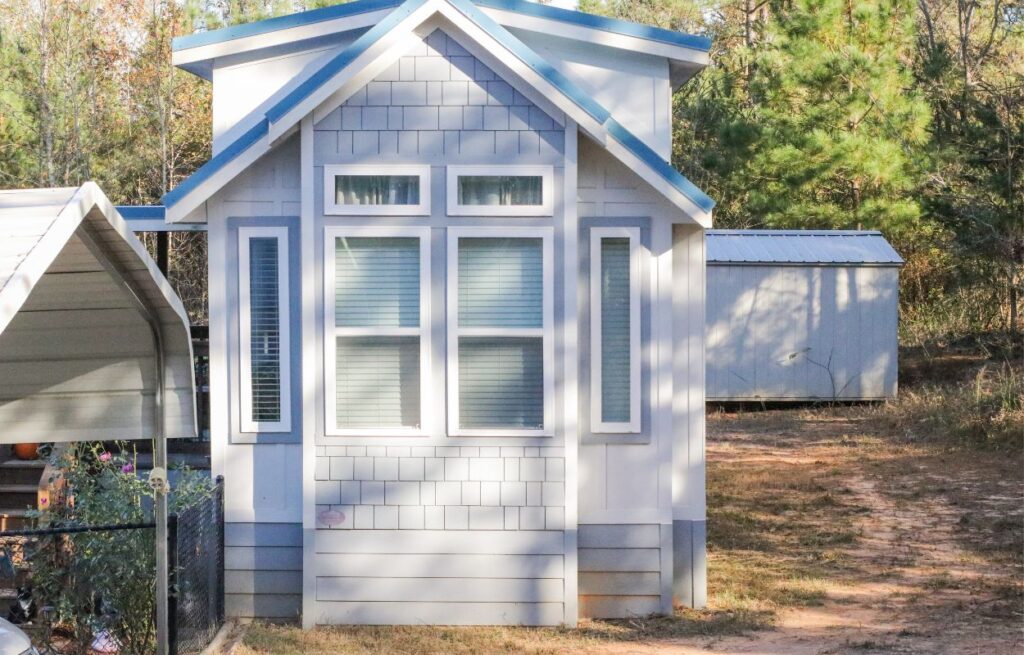
Laneway homes have quickly become one of the most exciting housing trends in 2025. If you’ve been hearing the buzz and wondering why everyone’s talking about them, you’re not alone.
These small but stylish homes are changing how people think about housing, investment, and lifestyle. They’re not just for big cities anymore either. Communities of all sizes are embracing the possibilities.
Let’s explore why these homes have captured so much attention this year.
WHAT ARE LANEWAY HOMES?
A laneway home is a small, detached house built on the same property as a main home. It usually sits at the back of a lot, often where a garage once stood. These homes are compact but full of character.
They typically include all the essentials—bedroom, bathroom, kitchen, and living space. For many families, they offer flexibility, whether that means space for relatives or a source of rental income.
WHY PEOPLE LOVE THEM
People love laneway homes because they offer freedom. They create options that traditional housing can’t. Some families use them for grandparents who want independence while staying close. Others use them for grown kids who need a starter home. And for many, laneway homes bring in extra income through short or long-term rentals.
Homeowners also love the design possibilities. Modern laneway homes look stylish and efficient. With smart layouts, they make small living feel big. They often include bright windows, clever storage, and eco-friendly touches. Living in one doesn’t feel cramped—it feels cozy and smart.
THE INVESTMENT ANGLE
One of the biggest reasons laneway homes are gaining attention is their investment value. With housing costs climbing, they give owners a chance to maximize their property. Building a laneway home can increase overall property value while also creating rental opportunities.
In markets where demand is high, rentals from laneway homes can cover mortgages or provide a steady income stream. For young homeowners, this makes owning a house more affordable. For retirees, it’s a way to downsize while still enjoying financial security. It’s a win-win for almost everyone.
WHY 2025 IS THE PERFECT TIME
The timing couldn’t be better. Cities and towns are updating zoning laws to support laneway housing. Municipalities recognize the need for creative housing solutions. They’re encouraging homeowners to think beyond traditional single-family layouts.
At the same time, people want to live more simply. They’re choosing quality over quantity. A smaller, thoughtfully designed home feels right for this moment. With sustainability at the forefront, laneway homes fit the values of many homeowners in 2025.
LANEWAY HOMES IN SMALLER COMMUNITIES
While laneway homes first gained popularity in big urban areas, smaller communities are now embracing them. Take laneway homes in Parksville as an example. Families there are turning to this option for both lifestyle and financial reasons. Smaller towns benefit when people have more housing choices. They also get the added bonus of tighter-knit communities.
In places like Parksville, laneway homes allow multi-generational families to stay close. They also create opportunities for rental housing in areas where supply is limited. People love the idea of adding housing without sacrificing the charm of their neighborhoods.
THE DESIGN REVOLUTION
Designers are getting more creative every year. Laneway homes aren’t just simple boxes anymore. Many feature sleek modern finishes, large windows, vaulted ceilings, and smart storage. They feel open, airy, and stylish. Builders are focused on maximizing every square foot.
Sustainability plays a huge role too. Many laneway homes now include energy-efficient appliances, green roofs, and solar panels. Homeowners love that they can reduce their carbon footprint while living in a modern space. These homes show that small living can still feel luxurious.
LIFESTYLE BENEFITS
Beyond the financial perks, laneway homes bring lifestyle benefits that people can’t ignore. They allow families to live closer together while maintaining privacy. They create opportunities for flexible work-from-home spaces or guest housing. For people who want freedom and flexibility, laneway homes deliver.
Another perk is community connection. Because they fit neatly into existing neighborhoods, they add density without creating high-rise buildings. This means more people can live in the area while keeping the community feel.
CHANGING HOW WE THINK ABOUT HOME
Laneway homes are also shifting how people define “home.” The traditional idea of a large single-family house no longer fits everyone. Many people want smaller, smarter, and more affordable options. Laneway homes meet this need. They show that good design and functionality matter more than sheer size.
By offering both independence and connection, they strike a balance that works for modern living. Families can support each other without losing space. Homeowners can earn income without giving up control of their property. It’s a housing solution that reflects today’s values.
WHAT THE FUTURE HOLDS
The popularity of laneway homes isn’t slowing down. With more municipalities updating zoning rules, expect to see more of these homes across towns and cities. Builders will continue to innovate, creating even more impressive designs. Communities will embrace them as a way to solve housing shortages while keeping neighborhoods vibrant.
For homeowners, the message is clear: laneway homes are more than a trend. They’re here to stay. And as people continue to discover their benefits, the conversation around them will only grow louder.
WHY YOU SHOULD PAY ATTENTION
If you’ve been curious about laneway homes, now is the time to pay attention. Whether you’re looking for an investment, a lifestyle change, or a creative housing solution, they have something to offer. They represent flexibility, innovation, and a new way of thinking about space.
For people in growing towns like Parksville, the rise of laneway homes in 2025 offers real opportunities. They’re not just a housing option—they’re a chance to shape the future of communities in a positive way.
FINAL THOUGHTS
It’s easy to see why laneway homes are the talk of 2025. They’re stylish, practical, sustainable, and financially smart. They offer independence and connection at the same time. They create opportunities for families and communities alike.
In a world where housing challenges continue to grow, laneway homes provide a bright spot. They’re a reminder that sometimes small solutions can make a big difference. And that’s exactly why everyone’s talking about them this year.