
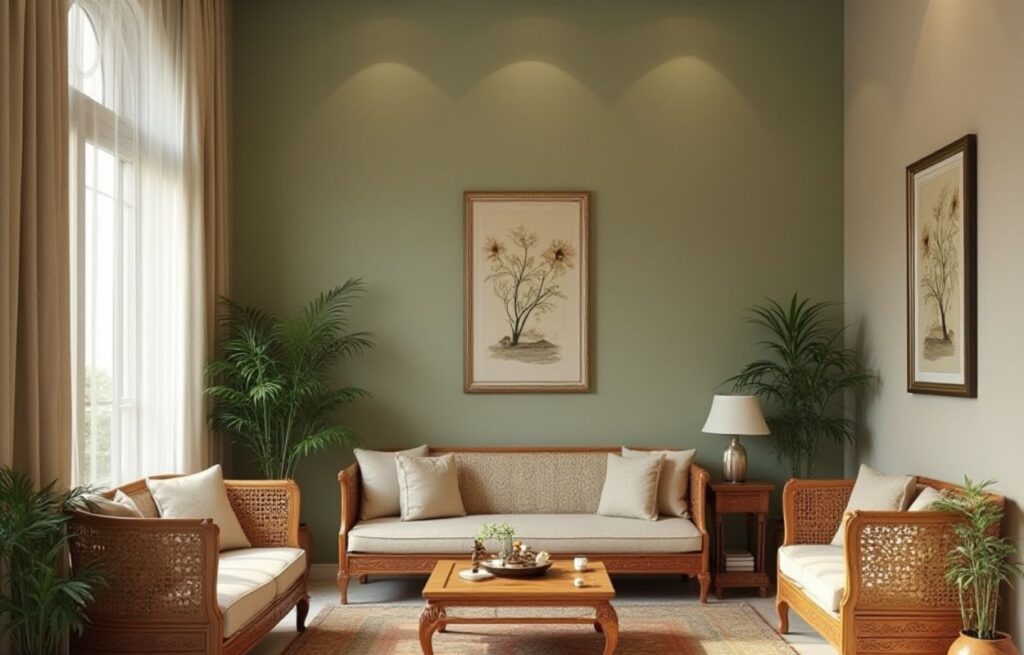
Building an ADU is one of the most exciting upgrades a homeowner can take on. Whether you’re dreaming about rental income, planning space for family, or looking ahead to future retirement options, an ADU can transform your property in all the best ways. But as simple as the idea sounds, the process has a lot of moving parts. That’s exactly why having a solid checklist makes the entire experience easier. If you’ve been researching ADU Nanaimo options or thinking about building one soon, this checklist will help you stay organized from start to finish.
Here’s the ADU checklist every homeowner wishes they had before getting started.
KNOW YOUR GOALS
Before you design anything or talk to any professionals, get clear on your “why.” Your goals will shape everything from layout to location to budget.
Ask yourself:
- Is this ADU for rental income?
- Will a family member live here?
- Do I want it to be flexible for future uses?
- Will it eventually be a retirement space?
- Do I want low-maintenance or something more custom?
When your goals are clear, the entire process becomes much easier because every decision supports the outcome you want.
UNDERSTAND LOCAL REGULATIONS
ADU rules vary depending on the city, so it’s incredibly important to know the requirements in your area before anything else. This is one of the biggest steps people overlook.
Check for:
- Setback rules
- Lot size requirements
- Maximum height and square footage
- Utility connection rules
- Parking requirements or exemptions
- Zoning regulations
- Short-term rental restrictions
These details help you avoid delays, redesigns, and unexpected costs later. If you’re planning an ADU Nanaimo project, make sure to review local regulations early since each city updates its guidelines over time.
CREATE A REALISTIC BUDGET
ADUs are an investment, and while they’re more affordable than building a full-size house, they still require careful financial planning. A lot of homeowners underestimate the costs because they compare ADUs to small renovations. But this is a full living space you’re building.
Your budget should include:
- Architectural design
- Engineering
- Building permits
- Site preparation
- Utility connections
- Construction materials and labor
- Appliances
- Interior finishes
- Landscaping
- Contingency funds
The goal isn’t just to build an ADU—it’s to build one you can afford comfortably.
FIND THE RIGHT LOCATION ON YOUR PROPERTY
Placement matters more than people realize. A poorly placed ADU can affect privacy, yard space, natural light, and even resale value.
Think about:
- How close the ADU will be to the main home
- Privacy for both dwellings
- Window placement and views
- Access for tenants or guests
- Sun exposure throughout the day
- Drainage and grading around the area
Choose a location that supports your long-term goals, not just what seems easiest today.
HIRE PROFESSIONALS WHO KNOW ADUS
ADUs aren’t just smaller versions of full-size homes—they come with their own unique challenges. Working with professionals who understand local rules and small-space design can save you time and stress.
Your team may include:
- An architect or designer
- A general contractor
- Engineers
- Surveyors
- Permit specialists
Professionals who specialize in ADUs can help maximize every inch of your design and keep your project compliant with local regulations.
DESIGN FOR FUNCTION, NOT JUST STYLE
ADUs work best when they’re designed with purpose. Because space is limited, every square foot matters. Think about how the layout supports real-life use.
Prioritize:
- Smart storage
- Natural light
- Privacy between rooms
- Open-concept layouts
- Multi-functional spaces
- Efficient traffic flow
The right design will make your ADU feel larger and more comfortable than you might expect.
PLAN FOR UTILITIES EARLY
One of the fastest ways an ADU project can get off track is not understanding utility requirements early in the process. Some properties need upgrades before the ADU can be connected.
Consider:
- Sewer capacity
- Water pressure
- Electrical panel size
- Gas line access (if needed)
- Drainage solutions
- Trenching requirements
Getting this right at the start prevents expensive surprises later.
THINK ABOUT PARKING AND ACCESS
Even when cities relax parking rules, it’s still smart to think about how your ADU will function day to day. Tenants or guests will need easy access, and so will you if it’s used by family.
Plan for:
- Private or shared entrances
- Pathways or lighting
- Street parking availability
- Driveway extensions (if needed)
Little details like this make a big difference in how enjoyable the ADU is to live in.
DESIGN FOR FUTURE FLEXIBILITY
What you need today might not be what you need years from now. That’s why flexible design is one of the smartest ADU strategies.
Think about features that allow future use cases:
- Space for a washer and dryer
- A full kitchen instead of a kitchenette
- A layout that accommodates mobility needs later in life
- Storage for long-term tenants
- Room for a desk or workspace
A flexible ADU stays valuable no matter how your life evolves.
DON’T FORGET ABOUT PRIVACY
This is one of the most important checklist items that homeowners overlook. Privacy isn’t just about being out of sight—it’s about comfort for everyone on the property.
Improve privacy by considering:
- Window placement
- Landscaping or fencing
- Separate entrances
- Outdoor spaces positioned away from each other
- Soundproofing between rooms
Good privacy design helps both the main house and the ADU feel independent, which is especially important if you plan to rent it out.
PLAN FOR NATURAL LIGHT AND VENTILATION
Small spaces feel bigger when they’re bright and well-ventilated. Light is one of the most powerful tools in ADU design.
Add light with:
- Large windows
- Glass doors
- Skylights
- Light, reflective interior colors
- Open floor plans that let light travel through the space
Good airflow also makes the ADU more comfortable and energy-efficient.
CHOOSE EASY-TO-MAINTAIN MATERIALS
If you’re renting out your ADU or planning to live in it later, low-maintenance materials will save you time and money. Durable materials look better longer and require less upkeep.
Great options include:
- Vinyl plank flooring
- Quartz or laminate countertops
- Easy-clean cabinets
- Durable exterior siding
- Simple landscaping
These choices help your ADU stay looking fresh with minimal effort.
PLAN THE OUTDOOR SPACE TOO
Outdoor areas often get forgotten in the ADU planning process. But even a small outdoor space can make the ADU feel much larger and more enjoyable.
Consider including:
- A patio or deck
- A small garden or seating area
- Pathway lighting
- Privacy barriers
- Space for bikes or storage
This creates a complete living experience rather than just an additional building.
THINK ABOUT LONG-TERM VALUE
An ADU isn’t just an upgrade—it’s a major investment that pays off for years. Even if you build it for one purpose now, your ADU can provide multiple benefits down the road.
An ADU creates:
- Rental income
- Higher property value
- Flexibility for family needs
- A future retirement downsizing option
- A stronger overall investment profile
And for homeowners researching ADU Nanaimo, this long-term value is one of the biggest motivators for starting a project.
FINAL THOUGHTS
Building an ADU is a big project, but with the right checklist, it becomes a smooth and exciting experience. When you know what to expect, what to plan for, and what mistakes to avoid, you can build an ADU that supports your goals and increases your property’s value for years to come.
Whether you’re just starting to explore ideas or you’re deep into planning your ADU Nanaimo project, this checklist gives you the clarity you need to make confident decisions every step of the way.