
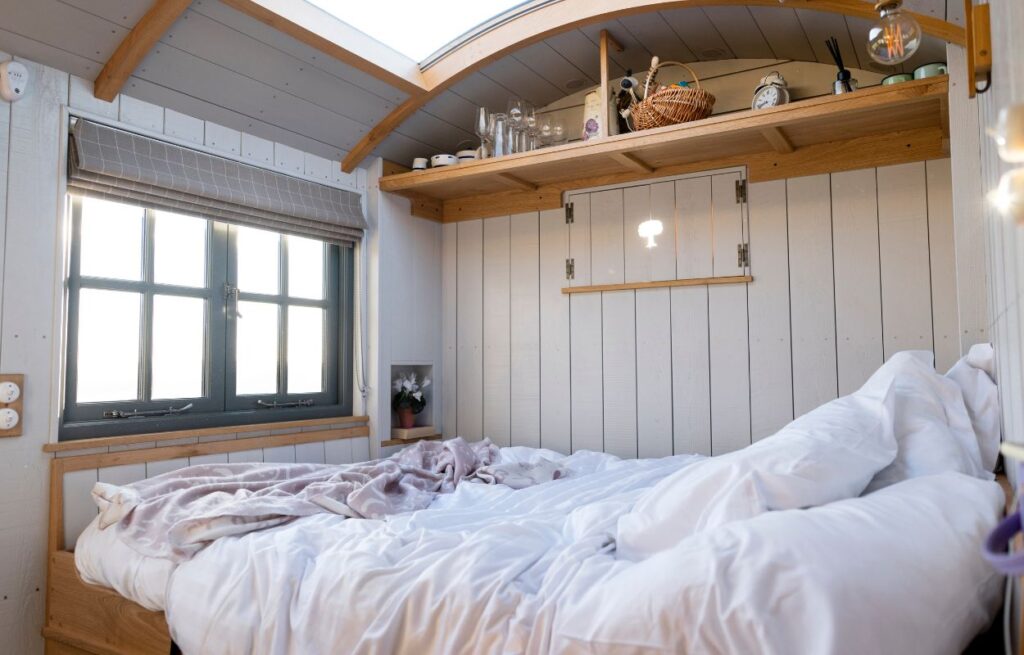
Laneway homes are small but mighty. These compact homes give people more space without taking up too much land. Many homeowners love them for their flexibility. They work as rental units, guest houses, or even personal retreats.
But one common worry always comes up: how do you make a small home feel spacious? The truth is, smart design tricks can transform even the tiniest laneway home into a place that feels open, bright, and inviting.
In this post, we’ll walk through the clever design strategies that help small homes live large. Whether you’re dreaming of building one or already own one, these ideas can make a big difference.
OPEN-CONCEPT LAYOUTS
One of the simplest ways to create a roomy feel is by going open-concept. Walls tend to close in small spaces. They chop up square footage and make a home feel smaller. By removing unnecessary walls, you can allow the rooms to flow together. The kitchen, dining, and living area all benefit from this approach. Instead of three separate tiny rooms, you create one larger, flexible space.
Open layouts also make it easier for natural light to spread across the home. More light means more openness. If you want to keep some separation, you can use furniture like couches or shelving to define spaces instead of solid walls.
LOTS OF WINDOWS AND NATURAL LIGHT
Natural light is the secret weapon in making small spaces feel large. A dark home feels cramped, while a bright one feels open. Large windows, skylights, and even glass doors can bring in that essential light.
When designing laneway homes in Port Alberni, many builders take advantage of this trick. Big windows not only expand the space visually but also connect the indoors to the outdoors. Suddenly, the eye travels beyond the walls of the home, and the whole space feels larger.
Window placement matters too. Consider tall, narrow windows for privacy while still bringing in daylight. Clerestory windows near the ceiling are another excellent option. They allow light without sacrificing wall space for furniture.
MULTIFUNCTIONAL FURNITURE
Small homes benefit from furniture that does more than one job. Think of a sofa bed, a dining table with storage, or a fold-down desk. These pieces save space without sacrificing comfort or style.
Murphy beds are another popular choice. They fold up into the wall during the day, leaving plenty of room for living or working. Built-in seating with hidden storage underneath can also make life easier in small homes.
When every piece of furniture has a dual purpose, the home feels less cluttered. And less clutter means more visual space.
LIGHT COLORS AND SIMPLE FINISHES
Color plays a huge role in how a space feels. Light colors reflect more light and make rooms feel open. White, cream, soft gray, or pale blue are popular choices for small homes.
Simple finishes also help. Shiny surfaces, like glossy cabinets or mirrored backsplashes, bounce light around. This creates depth and makes the home feel larger than it is.
On the other hand, dark and heavy colors can make a home feel cozy but also closed in. The trick is balance. A mostly light color palette with a few bold accents works best.
HIGH CEILINGS AND VERTICAL SPACE
When you can’t build out, build up. Higher ceilings give small homes a sense of grandeur. Even a few extra feet of height can make the difference.
Laneway homes often use vaulted or sloped ceilings to add visual space. Exposed beams can also draw the eye upward, emphasizing the height.
Don’t forget about vertical storage. Tall bookshelves, cabinets, and wall-mounted organizers keep things tidy without taking up floor space. The more you use the vertical plane, the more open your home will feel.
SMART STORAGE SOLUTIONS
Clutter is the enemy of spaciousness. Even a few items out of place can make a small room feel tight. That’s why storage matters so much in laneway homes.
Built-in storage is the best option. Benches with hidden compartments, under-bed drawers, or custom cabinets make use of every inch. Even staircases can double as storage units with pull-out drawers or shelves built in.
When everything has a place, the home feels clean and uncluttered. And a tidy space always feels bigger.
SEAMLESS INDOOR-OUTDOOR CONNECTION
One of the smartest tricks in design is to blur the line between inside and outside. Glass sliding doors, patios, and decks all extend the living space.
Imagine opening a set of large doors on a sunny day. Suddenly, the living room doesn’t end at the wall—it flows right into the outdoor space. This not only feels luxurious but also expands how you use the home.
Laneway homes in Port Alberni often use this design feature. With the area’s natural beauty, it makes sense to bring the outdoors in. It turns even a modest home into a retreat.
MINIMALIST DESIGN APPROACH
Less is more when it comes to small spaces. A minimalist approach keeps things light, airy, and uncluttered. Too many decorations, heavy drapes, or bulky furniture will shrink the room.
By choosing a few quality pieces instead of filling every corner, you create breathing room. Clean lines, open surfaces, and simple shapes all contribute to a bigger feel.
Minimalism doesn’t mean boring. You can still add personality through textures, colors, and a few statement pieces. But the key is editing—choosing what truly belongs and letting go of the rest.
MIRRORS AND REFLECTIVE SURFACES
Mirrors are a time-tested design trick. They bounce light around the room and create the illusion of more space. A large mirror on one wall can make a room feel twice its size.
Reflective surfaces work the same way. Glass tables, polished floors, or glossy finishes all help expand the space visually. Just one or two reflective elements can completely change the feel of a room.
CONCLUSION
Laneway homes prove that you don’t need a massive footprint to live comfortably. With the right design tricks, even the smallest home can feel spacious and inviting.
Open layouts, natural light, smart furniture, and clever storage all work together to expand the sense of space. High ceilings, mirrors, and indoor-outdoor flow add even more.
Most importantly, small homes encourage people to think creatively about design. They remind us that comfort isn’t about size—it’s about how well a space works for us.
So if you’re planning to build or improve a laneway home, try some of these ideas. You’ll be amazed at how big your small space can feel.