
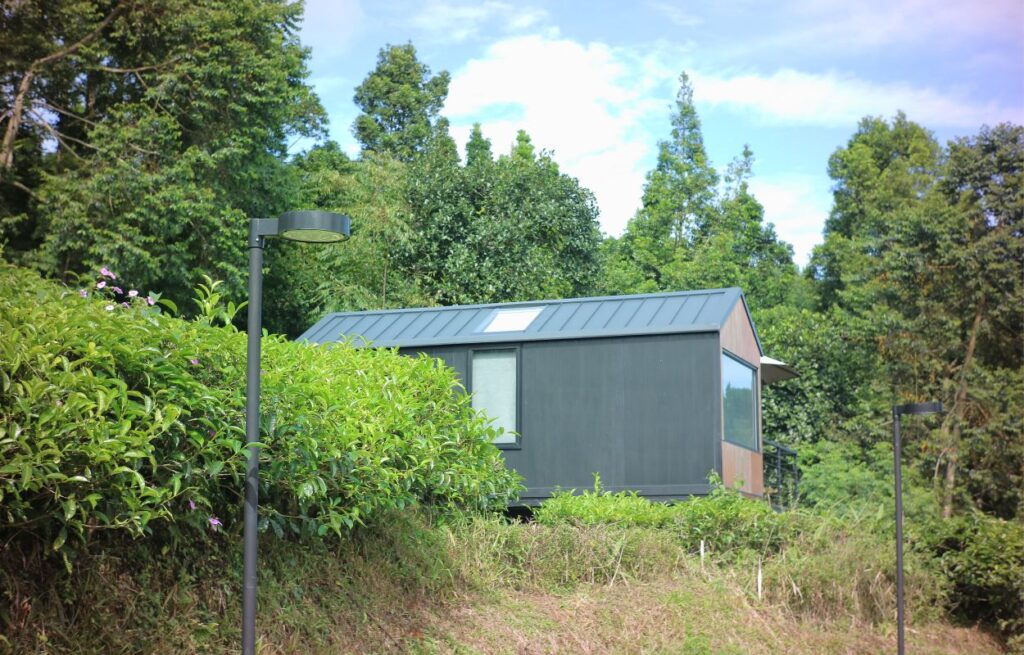
Laneway houses have gone from a niche idea to one of the most exciting housing options on Vancouver Island. Homeowners love the flexibility, renters love the affordability, and communities love the gentle density without changing the feel of established neighbourhoods. It’s no surprise that interest in building a laneway house Nanaimo continues to grow as more people discover just how practical, beautiful, and future-friendly these small homes can be.
But laneway houses aren’t just gaining popularity—they’re evolving fast. New design trends, smarter layouts, and creative features are making these homes feel bigger, brighter, and more functional than ever. If you’ve been thinking about building one, these are the trends shaping the future of laneway living on Vancouver Island.
Here’s a closer look at the laneway house trends that are absolutely taking over right now.
BRIGHT, AIRY DESIGNS THAT FEEL MUCH LARGER THAN THEY ARE
One of the biggest trends in modern laneway houses is the focus on natural light. Builders are prioritizing open layouts, tall windows, skylights, and glass doors to make these compact homes feel spacious and inviting.
Popular design choices include:
- Oversized windows that maximize daylight
- Floor-to-ceiling sliding glass doors
- Skylights or solar tubes
- Open-concept kitchens and living areas
- Light-coloured interiors that reflect brightness
These bright, airy designs help small homes feel anything but small. It’s one reason laneway houses are becoming so attractive to homeowners and renters alike.
MULTI-FUNCTIONAL ROOMS THAT CHANGE WITH YOUR NEEDS
Because space is limited, every room in a laneway house needs to work hard. That’s why multi-purpose spaces are becoming a major trend. Homeowners want rooms that flex easily between daily activities.
Common multi-functional ideas include:
- Living rooms that convert to guest rooms
- Home offices that double as hobby spaces
- Breakfast nooks that transform into work areas
- Loft bedrooms that free up floor space
- Murphy beds and modular furniture
This flexibility makes laneway houses incredibly practical, especially for homeowners whose needs may evolve over time.
SUSTAINABLE AND ENERGY-EFFICIENT BUILDING IS A TOP PRIORITY
Vancouver Island residents are eco-conscious, so laneway houses are increasingly being built with sustainability in mind. Homeowners want homes that reduce energy consumption, cut down on utility bills, and leave a smaller environmental footprint.
Sustainable features include:
- Energy-efficient windows and insulation
- Heat pumps for heating and cooling
- Solar panels
- Rainwater collection systems
- Eco-friendly building materials
- Smart thermostats and energy monitoring
These features not only support the environment but also make the home more affordable to operate in the long run.
“TINY-HOME-INSPIRED” STORAGE SOLUTIONS
Storage is everything in a compact home, and creative solutions inspired by the tiny-home movement are becoming mainstream in laneway house design.
Some of the most popular storage trends include:
- Built-in shelving between wall studs
- Under-stair drawers
- Platforms with hidden storage beneath
- Floating cabinets to free up floor space
- Pull-out pantries
- Toe-kick drawers in kitchens and bathrooms
These small changes make a huge difference, allowing laneway houses to stay organized without feeling cluttered.
SEPARATE OUTDOOR SPACES FOR ADDED LIVING AREA
Outdoor living space is a huge trend because it instantly doubles the functional footprint of a smaller home. Even if the yard is small, homeowners are creating private, intentional outdoor zones for their laneway dwellings.
Popular outdoor additions include:
- Small patios or decks
- Garden seating areas
- Outdoor dining spaces
- Privacy fences or screens
- Rooftop decks (where bylaws allow)
When combined with large windows or sliding doors, these outdoor spaces create a seamless indoor-outdoor living experience.
DESIGNS THAT PRIORITIZE PRIVACY FOR BOTH HOMES
Privacy is becoming a top concern for homeowners building laneway houses. The goal is to create a setup where both the main home and the laneway house feel independent and private.
Modern privacy-focused designs include:
- Offset window placement so sightlines don’t overlap
- Separate entrances facing different directions
- Tall landscaping or fencing
- Outdoor areas positioned away from the main house
- Thoughtful placement of bedroom windows
This is especially important in urban lots where homes are closer together. Good privacy design leads to more comfortable living for everyone on the property.
ACCESSORY SPACES ARE BECOMING A BIG DEAL
Homeowners are now thinking beyond the basic laneway home structure. Instead, they’re adding small accessory spaces that make the laneway house even more functional.
These additions may include:
- Mini garden sheds
- Bike storage
- Workshop corners
- Outdoor gear storage
- Covered entryways or mudrooms
These small add-ons improve day-to-day living and help keep compact interiors clutter-free.
ULTRA-EFFICIENT KITCHENS ARE A MUST-HAVE
Kitchens in laneway houses are undergoing a major upgrade. Instead of shrinking the kitchen down to the bare minimum, homeowners are choosing efficient, high-quality designs that feel more luxurious.
Popular kitchen trends include:
- Compact full-size appliances
- Deep sink basins
- Vertical spice storage
- Slide-out cutting boards
- Floating shelves instead of upper cabinets
- High-efficiency induction cooktops
These kitchens feel modern and upscale without wasting space.
BATHROOMS THAT FEEL LIKE SPA RETREATS
Even with limited square footage, homeowners want bathrooms that feel comfortable and relaxing. Spa-inspired styles are becoming a huge trend in laneway houses.
These features are especially popular:
- Walk-in curbless showers
- Large tiles to create a seamless look
- Wall-mounted vanities for extra floor space
- Built-in shelving and niches
- Soft, warm lighting
Small bathrooms can still feel luxurious with the right design elements.
LANEWAY HOUSES DESIGNED FOR FUTURE INCOME POTENTIAL
One big reason people are searching for laneway house Nanaimo is the growing opportunity for rental income. Homeowners want to build something that works for them now and creates income possibilities in the future.
Trends focused on income potential include:
- Full kitchens instead of kitchenettes
- Soundproofing between rooms
- Private entrances
- Separate outdoor areas
- In-unit laundry
Even if the laneway house isn’t rented right away, homeowners want flexibility for later.
AGE-IN-PLACE FEATURES ARE BECOMING POPULAR
More homeowners want their laneway houses to accommodate aging parents—or themselves later in life. This has led to a noticeable trend toward age-in-place design.
Common features include:
- Single-level living
- Wider doorways
- Minimal stairs
- Walk-in showers
- Non-slip flooring
- Lever-style door handles
These thoughtful details help laneway houses serve multiple generations over time.
MODERN WEST COAST AESTHETICS ARE HUGE RIGHT NOW
The design style most associated with Vancouver Island—clean lines, natural textures, and warm wood accents—is dominating laneway home architecture.
Current aesthetic trends include:
- Wood siding and natural finishes
- Black window frames
- Neutral colours with warm accents
- Low-profile rooflines
- Simple modern shapes
This style blends beautifully with forested lots, coastal settings, and traditional neighbourhoods.
FINAL THOUGHTS
The laneway house movement is growing fast, and the trends shaping these small homes are making them smarter, more beautiful, and more functional than ever. From multi-purpose rooms and sustainable design to clever storage and privacy solutions, today’s laneway homes truly redefine what compact living can be.
And with increasing demand for laneway house Nanaimo options, homeowners across Vancouver Island are discovering just how much value—financial, practical, and lifestyle-related—these small homes offer.