
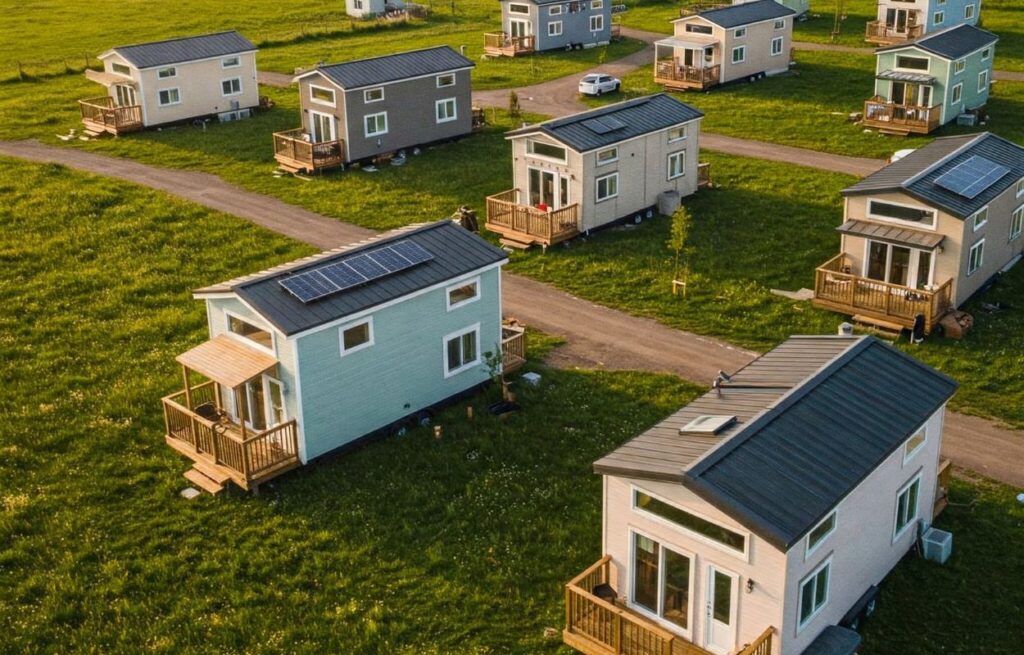
Laneway homes are popping up everywhere, and it’s no surprise why. They offer extra living space, boost property value, and create long-term financial benefits—all without needing to buy more land. If you’ve been noticing more interest in laneway homes Port Alberni or thinking about adding one to your property, you’re definitely not alone. But before you start sketching designs or calling contractors, there are some things you really need to know. Building a laneway home is exciting, but it’s also a big project, and going in prepared can save you stress, time, and a whole lot of money.
Here’s everything you should know before starting your laneway home journey.
LANEWAY HOMES ARE MORE THAN JUST EXTRA SPACE
People often see laneway homes as “just another building,” but they’re much more than that. A laneway home can serve a ton of different purposes throughout its lifetime.
Homeowners build laneway homes to use as:
- Guest suites
- Rental units
- Homes for aging parents
- Space for adult children
- Mortgage helpers
- Personal studios or hobby spaces
- Future downsized living spaces
The flexibility alone is enough to make most people seriously consider building one. A well-designed laneway home can adapt to whatever life throws your way.
THEY CAN ADD A SIGNIFICANT AMOUNT OF VALUE TO YOUR PROPERTY
If you’re looking to increase property value, a laneway home is one of the strongest investments you can make. Not only do buyers love the idea of extra living space, but the potential for rental income makes properties with laneway homes extremely attractive on the market.
A laneway home boosts property value because:
- It creates additional usable square footage
- It offers income potential
- It appeals to multi-generational households
- It gives buyers options for future flexibility
- It adds long-term financial security
Whether or not you ever plan to sell, it’s nice knowing a laneway home increases your property’s worth the moment it’s built.
BEFORE YOU BUILD, YOU NEED TO UNDERSTAND THE RULES
This is where many homeowners get caught off guard. Each city has different rules, and even neighbourhoods can have unique restrictions. Port Alberni is no exception, so doing your homework early prevents surprises later.
You’ll want to check:
- Zoning regulations
- Required parking allowances
- Maximum building size
- Setback rules
- Height restrictions
- Utility connections
- Permitting timelines
Skipping this step can lead to delays, redesigns, or expensive changes later in the process. The good news is that many cities—including Port Alberni—have become more laneway-home-friendly in recent years. But you still need to understand the details.
A REALISTIC BUDGET IS YOUR BEST FRIEND
Laneway homes are more affordable than buying a new property, but they still require a real budget. Many homeowners underestimate the costs because they compare laneway homes to small renovations. In reality, you’re building a fully functioning home with plumbing, electrical, heating, insulation, and everything else a normal house needs.
Your budget should include:
- Architectural design
- Permits
- Utility hookups
- Foundation work
- Construction labor and materials
- Landscaping and grading
- Driveway or access changes
- Contingency funds (always expect the unexpected)
The more realistic your budget is from the start, the smoother your project will be.
DON’T UNDERESTIMATE THE VALUE OF A GOOD DESIGN
A bad design can quickly make a laneway home feel cramped or awkward, while a great design makes even a small space feel incredibly functional. Because laneway homes are typically small, every square foot matters.
A well-designed layout should include:
- Smart storage solutions
- Natural light
- Efficient use of space
- Privacy from the main home
- Good flow between rooms
- Outdoor access or patio space
Designing for comfort, privacy, and usability ensures the laneway home works well for guests, renters, or family members.
UTILITIES CAN BE MORE COMPLEX THAN YOU THINK
Connecting a laneway home to power, water, and sewer isn’t always straightforward. Sometimes your property’s existing infrastructure can handle it, but other times you’ll need upgrades.
Utility considerations include:
- Electrical capacity
- Sewer line access
- Water line size
- Drainage
- Location of existing connections
- Possible trenching needs
These details can significantly affect both cost and timeline, so make sure you know what you’re dealing with early on.
IF YOU’RE PLANNING TO RENT IT OUT, PLAN AHEAD
Laneway homes make excellent rental units, especially in cities where housing demand is high. But if your end goal is rental income, think like a future tenant.
Renters love:
- Private entrances
- Street or onsite parking
- Full kitchens
- In-unit laundry
- Separate outdoor space
- Comfortable layouts
A laneway home designed with renters in mind will attract better tenants, bring in more income, and stay full longer.
WORK WITH PROFESSIONALS WHO UNDERSTAND LANEWAY HOMES
Laneway homes come with unique challenges, and not every builder or designer has experience with them. Working with professionals who specialize in small-space builds or secondary homes is important.
Look for someone who understands:
- City regulations
- Efficient small-home design
- Utility layout and connection
- Local soil and drainage conditions
- Budget planning and timeline forecasting
Experienced professionals can also help maximize the potential of your property and prevent costly mistakes.
LANEWAY HOMES CAN SOLVE MULTIPLE HOUSING NEEDS AT ONCE
One of the biggest reasons laneway homes are gaining popularity is that they solve many modern housing challenges:
- Families want to stay close, but not live on top of each other
- Homeowners want extra income without buying a second property
- Aging parents need safe, private living spaces
- Young adults want affordable rental options
- Communities want gentle density without high-rise buildings
Laneway homes fit perfectly into this “missing middle” of housing. They’re efficient, practical, and beneficial on multiple levels.
THEY’RE A GREAT LONG-TERM STRATEGY FOR HOMEOWNERS
Even if you don’t need the extra space right now, building a laneway home can be a smart long-term move.
It gives you options such as:
- A retirement downsizing plan
- Extra income during mortgage-paying years
- Housing for family in emergencies
- A private workspace if you shift careers
- A way to increase property value over time
The flexibility is a huge benefit and one of the biggest reasons laneway homes Port Alberni have grown so popular.
DON’T START UNTIL YOU HAVE A CLEAR TIMELINE
Laneway homes generally take less time to build than full-sized houses, but they still require planning. Weather, permits, utility work, and material availability can affect your schedule.
A clear timeline helps you:
- Plan your budget
- Coordinate contractors
- Manage rental goals
- Avoid unnecessary delays
Good builders will give you a realistic schedule—not just the quickest one.
FINAL THOUGHTS
Laneway homes are one of the smartest ways homeowners can expand their property’s value, flexibility, and financial stability. But before you jump in, it’s crucial to understand the regulations, design needs, utility requirements, and budgeting responsibilities that come with the project.
Whether you want extra space for family, a private suite for guests, or a reliable rental income stream, laneway homes offer a ton of benefits. And if you’re exploring laneway homes Port Alberni, working with experienced local professionals ensures your project is smooth, compliant, and tailored to your property.